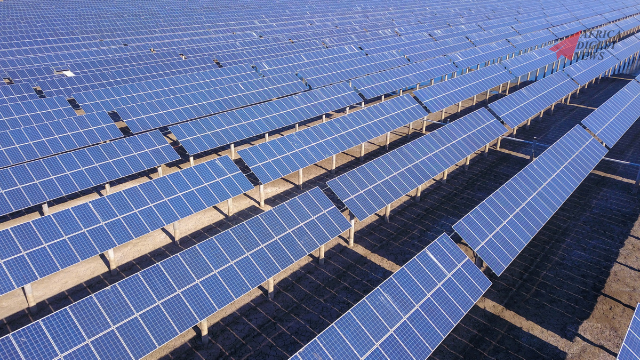
South Africa attracted about US$12 billion in new renewable-energy capital commitments in 2025, making it Africa’s leading destination for clean-energy investment that year. The money is flowing primarily into large-scale solar and wind projects, but an important part of the story is happening behind the projects themselves: companies are increasingly buying renewable power directly through PPAs and wheeling arrangements, creating a more commercially driven energy market.
The mining sector has become one of the biggest forces behind this shift. Major miners including Anglo American, Sibanye-Stillwater, Exxaro and Thungela have contracted more than 1,600 MW of renewable capacity, with several gigawatts more in the pipeline. For mines, renewable power is not simply a climate decision. It is increasingly an economic one — securing electricity at potentially lower prices while reducing exposure to Eskom and the risk of power interruptions.
A major enabler has been the expansion of independent power producers and electricity wheeling. Instead of waiting for Eskom to build all the generation capacity the economy needs, private developers can build solar and wind projects while businesses purchase that electricity and use the national grid to move it to their operations. Regulatory reforms, including changes to licensing requirements for private generation and continued renewable procurement programmes, have helped make this model increasingly investable.
Read Also: Dubai Is Betting on Kenya’s Clean-Energy Advantage
The result is beginning to change the economics of industrial power. Renewable electricity from large solar and wind projects can be significantly cheaper than conventional Eskom supply, while giving energy-intensive companies greater control over their electricity costs. For South Africa’s mining and industrial economy, that creates an unusual alignment: decarbonisation, energy security and cost reduction are increasingly becoming the same investment decision.
The bigger lesson for Africa is that South Africa’s renewable boom is being driven not only by government targets, but by businesses that need cheaper and more reliable electricity. That distinction matters. Once mines, factories and other large users start signing long-term contracts for renewable power, clean energy stops being a policy aspiration and becomes industrial infrastructure. South Africa’s US$12 billion surge suggests that the next phase of Africa’s energy transition may be less about governments building everything themselves — and more about creating markets where private capital has a reason to build.


