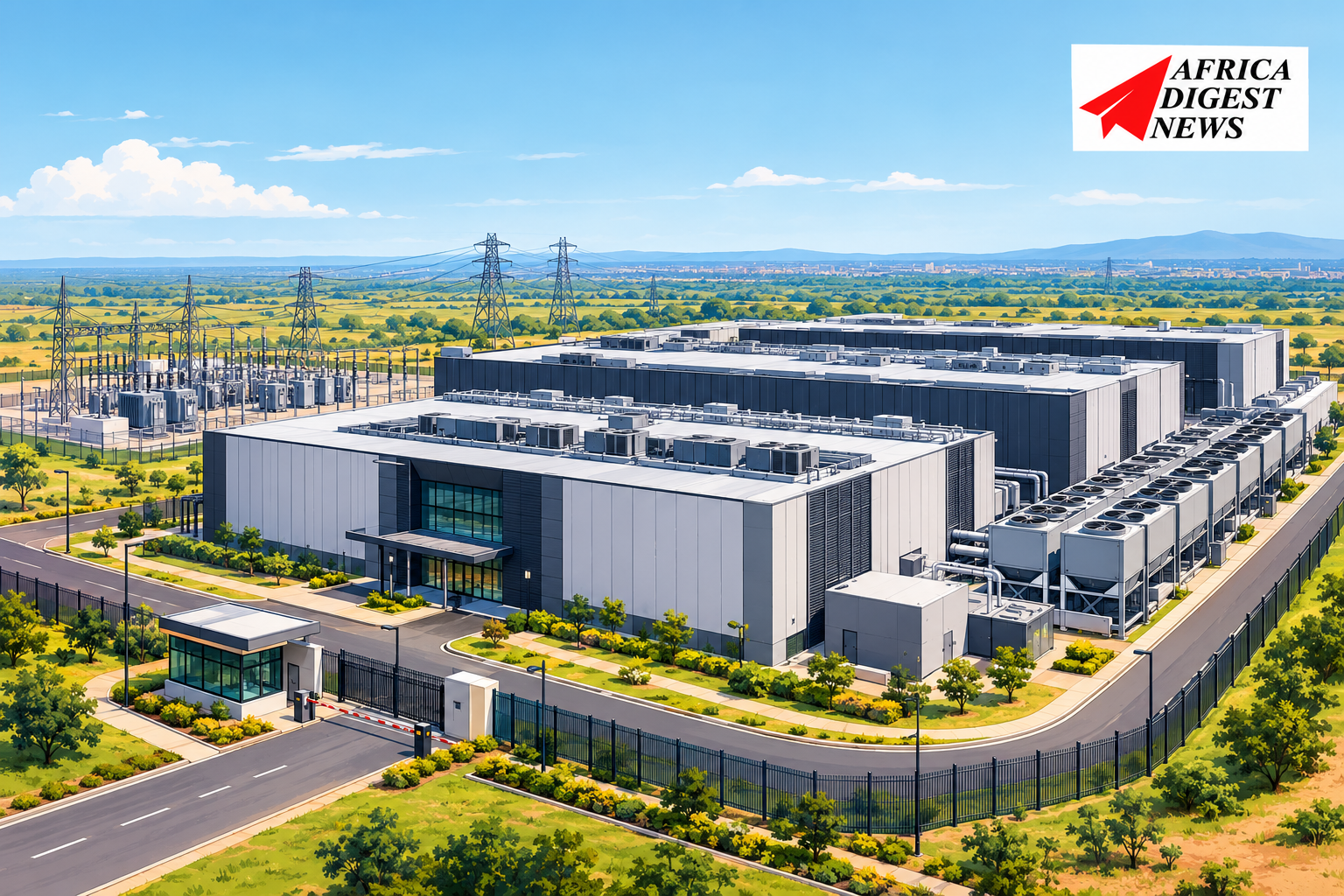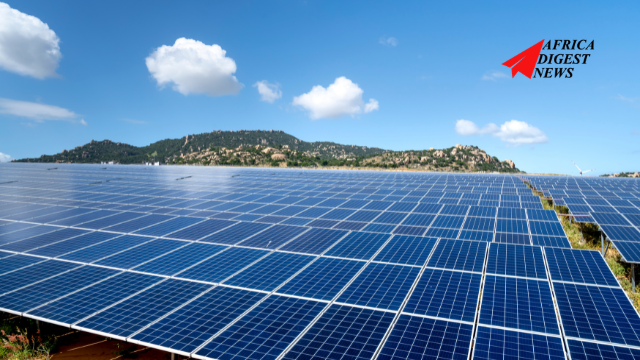
Zimbabwean developer Modaso is planning a 1.5 GW hybrid renewable-energy complex in Gwanda, Matabeleland South, combining wind power, solar PV and battery storage in a single development. The project is intended to become one of the largest renewable-energy developments in Zimbabwe and a major hybrid scheme in southern Africa, with the combination of technologies designed to produce a more stable supply than standalone wind or solar projects.
The project is being developed around Gwanda’s strong solar irradiation and wind resources, allowing the two generation sources to complement each other. Solar production typically peaks during the day, while wind generation can follow a different profile. Batteries would then store surplus electricity and release it when generation falls or demand increases, helping smooth the plant’s overall output and potentially allowing it to provide a more predictable supply to the grid or a contracted offtaker.
Modaso is still at the development and feasibility stage, with resource assessments, grid studies and stakeholder engagement under way. The company is also working with international technical and financial partners as it develops the project’s structure and seeks to move towards financial close. The precise allocation of the proposed 1.5 GW between wind, solar and battery storage has yet to be finalised, meaning the final configuration could change as technical and commercial studies progress.
Read Also: How Scatec Is Financing Egypt’s $5 Billion Green Infrastructure Push
The development comes as Zimbabwe seeks to diversify a generation system that has historically relied heavily on hydropower and coal. Large additions of renewable capacity could help reduce exposure to hydro variability while increasing the country’s ability to meet rising electricity demand. For the wider southern African market, the project also reflects a shift towards hybrid independent power producers that combine multiple technologies rather than building renewable projects in isolation.
If it reaches construction, the Modaso complex would demonstrate the potential of wind, solar and batteries working as one power system. That is significant because the challenge for African grids is increasingly not simply finding renewable resources, but turning those resources into reliable electricity. A project capable of combining complementary generation profiles with storage at 1.5 GW scale could provide a blueprint for other countries looking to add large volumes of renewable energy without leaving the grid to manage all of the variability alone.