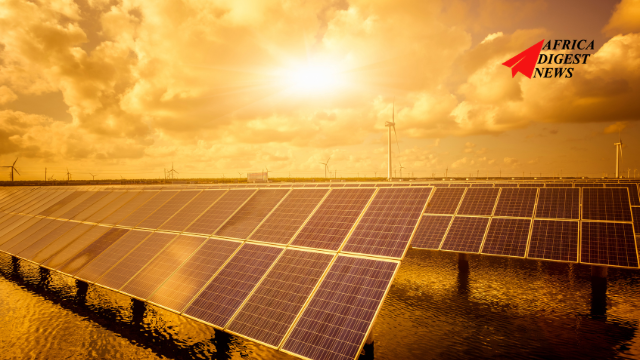
Egypt is positioning itself as one of Africa’s most ambitious renewable energy markets, with plans to add around 20 GW of new solar and wind capacity by 2030, supported by significant investments in battery energy storage and transmission infrastructure. The strategy reflects a broader shift in how countries are approaching the energy transition: not as a race to install the cheapest technology, but as an effort to build a reliable, low-cost electricity system.
The government’s targets are equally ambitious. Egypt aims for renewable energy to account for 42% of its electricity generation by 2030, rising to more than 60% by 2040. Achieving those goals will require large-scale deployment of solar photovoltaic (PV), onshore wind, battery storage, and grid upgrades rather than relying on any single technology.
That makes Egypt an important case study because it highlights a critical point often overlooked in discussions about renewable energy costs. Solar modules have become significantly cheaper over the past decade, but utility-scale solar does not operate in isolation. As more solar capacity is connected to the grid, additional investments are required in transmission infrastructure, storage systems, and grid flexibility to ensure electricity remains available when demand exceeds solar production.
This is why Egypt is investing heavily in wind alongside solar. The country’s wind resources, particularly around the Gulf of Suez and the Red Sea, complement solar generation exceptionally well. While solar output peaks during daylight hours, wind generation often increases during the evening and overnight. By combining the two resources, Egypt can produce a more balanced renewable electricity profile, reducing dependence on battery storage and lowering overall system costs.
That distinction matters because batteries remain one of the most expensive components of renewable energy systems. A grid that relies heavily on solar alone requires larger storage systems to shift electricity into the evening. A diversified wind-solar portfolio reduces that requirement by allowing one renewable resource to compensate for the variability of the other. The result is a lower cost of delivering reliable electricity, even if the individual generation technologies have different Levelized Costs of Energy (LCOE).
Egypt’s approach also reflects the evolution of renewable energy planning. Earlier projects were often assessed independently, with success measured by the number of megawatts installed. Today’s energy planners are increasingly evaluating projects based on how they contribute to the performance of the entire electricity system. Grid integration, dispatchability, storage requirements, and transmission constraints have become just as important as the cost of generating electricity.
Read Also: Hydra Brings Africa’s Largest Hybrid Renewable Energy Facility Online
For investors, this changes the economics of renewable energy. The question is whether a renewable portfolio can deliver electricity reliably at the lowest total system cost over several decades. Egypt appears to be answering that question by avoiding overreliance on a single technology. Instead, it is building complementary renewable resources that reduce balancing costs, improve grid stability, and make better use of transmission infrastructure.
The country’s strategy also offers an important lesson for the rest of Africa. As renewable penetration increases, the cheapest generation technology will not necessarily produce the cheapest electricity system. Countries that combine solar, wind, storage, and modern grid infrastructure are likely to achieve lower long-term electricity costs than those relying on a single renewable resource.


