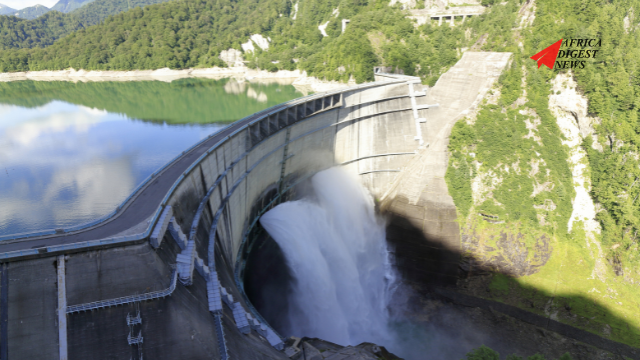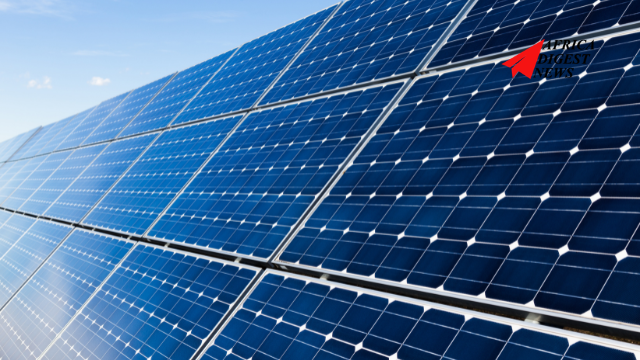
Zambia has commissioned the second 100 MW phase of the Chisamba Solar Plant, adding another major renewable energy asset to the national grid as the country accelerates efforts to diversify its electricity mix. The project comes at a critical time for Zambia’s power sector. Years of drought have exposed the risks of relying heavily on hydropower, which still accounts for most of the country’s electricity generation. Expanding utility-scale solar is part of a broader strategy to strengthen energy security and reduce the impact of changing rainfall patterns.
Chisamba Phase II is more than an additional 100 MW of capacity. It reflects Zambia’s growing commitment to large-scale renewable energy deployment through commercially viable projects rather than small pilot initiatives. The phased development approach also creates a scalable model for future investment in the country’s power sector.
The new solar capacity will help meet rising electricity demand while reducing pressure on hydropower stations during daylight hours. By allowing reservoirs to conserve water for peak demand periods, solar generation can improve overall system flexibility and resilience, particularly during periods of low water levels.
The project also highlights the importance of bankable infrastructure models. Combining public-sector support with private-sector expertise and investment creates a framework that can attract additional capital into Zambia’s renewable energy sector, helping to accelerate future developments.
Read Also: Why Eskom Green Could Reshape Renewable Energy Investment in South Africa
Beyond electricity generation, projects like Chisamba have wider economic significance. Reliable power is essential for mining, manufacturing, agriculture, and industrial growth. Expanding generation capacity strengthens investor confidence and supports the country’s broader economic development objectives. As Zambia continues to expand its renewable energy portfolio, the commissioning of Chisamba Solar Phase II demonstrates that utility-scale solar is becoming an increasingly important pillar of the country’s long-term energy strategy. It is another step toward building a more diversified, resilient, and reliable power system.