The latest solar‑plus‑storage investments in Tanzania are not about “green energy” or “sustainability” as slogans. They are about cost, reliability, and control. Industrial operators, hotels, and mining firms are deploying captive solar and battery systems because the grid is too volatile and diesel is too expensive. This is not a shift toward clean energy. It is a shift toward industrial energy sovereignty.
Recent solar‑plus‑storage projects in Tanzania include:
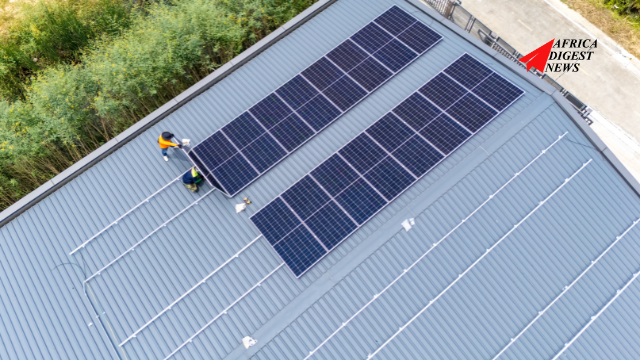
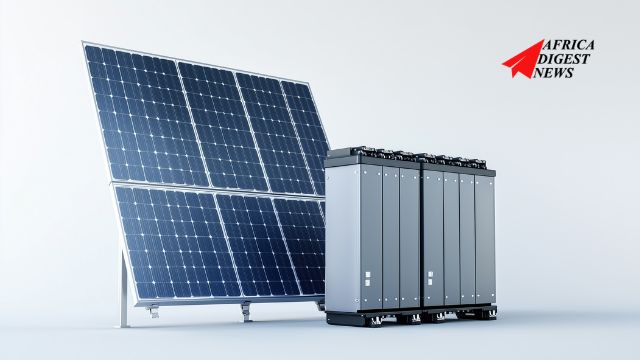
- A 72 kW / 120 kWh microgrid for a luxury resort in Tanzania, replacing diesel generators with silent, emission‑free solar and battery power. The system delivers 24/7 power for kitchens, air‑conditioning, and site lighting. ROI is 3–5 years on fuel savings alone.
- Redavia’s 300 kWh containerised PV‑plus‑storage microgrids in Songwe region, providing 89 kWp of solar and integrated lithium‑ion storage to displace diesel and kerosene in rural communities.
- ZOLA Electric’s expansion, backed by $32.5 million from FMO and Symbiotics, to deliver 145,500 households with off‑grid solar and storage, creating 2,100 jobs in the sector.
These are commercial projects with clear costs, clear returns, and clear customers.
How Solar + Storage Works in Tanzania
The grid in Tanzania is unstable. Voltage swings, frequency dips, and unexpected outages interrupt production. Captive solar‑plus‑storage systems:
- Provide 24/7 power, independent of grid volatility
- Displace diesel and kerosene, cutting fuel costs and logistics
- Deliver predictable energy costs, shielding operators from tariff hikes
For a factory, hotel, or mine, energy, It is a core input. If your energy is unreliable, your output is unreliable. Solar plus storage fixes that.
The Tanzanian case is not unique. It is the template for industrial energy across Africa. The same logic applies in Nigeria, Kenya, DRC, and South Africa. Industries that rely on the grid are exposed to the same risks. The same solution applies: captive solar, batteries, and microgrids. If you are an industrial operator, you are already paying for bad energy. You are paying in downtime, spoilage, and lost customers. Solar plus storage is a necessity. Your next step is to quantify your energy cost, your outage cost, and your ROI. Then build the system.