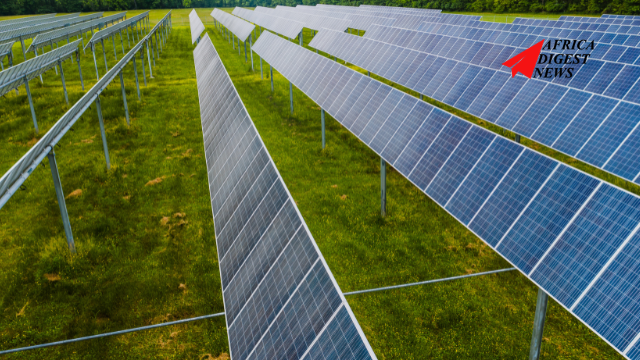
Africa’s renewable transition has moved past the “can it work?” phase. The question now is: can it be deployed at scale? The bottleneck is institutions. Weak market design, fragmented regulation, slow permitting, and poor grid planning are stopping projects from closing and from reaching the grid. The next phase is about building the market, regulatory, and technical systems that make those farms investable, bankable, and deliverable.
The Bloomberg Africa Climate Initiative and similar programmes are shifting from financing individual projects to strengthening:
- Market design and pricing frameworks
- Regulatory capacity and permitting systems
- Technical expertise inside utilities and ministries
- Industry institutions that can run auctions, PPAs, and grid integration
This is a structural reform agenda. It targets the gaps that keep projects delayed, under‑funded, or stranded.
Strong institutions remove the barriers that investors face:
- Clear, predictable permitting cuts timelines and legal risk
- Competent regulators design auctions and PPAs that are bankable
- Sound grid planning ensures that new capacity can be integrated without curtailment
- Professional utilities and ministries negotiate contracts and manage assets without leaving the state exposed
When institutions are weak, private capital retreats or demands high risk premiums. When institutions are strong, capital flows faster and at lower cost. The result is more projects that actually reach the grid and stay there.
The institutional gap is not unique to one country. It is a continent‑wide constraint. The same logic applies in Nigeria, Kenya, DRC, South Africa, Tanzania, and beyond. The difference is in the systems that turn those resources into power. Nations that invest in institutional capacity will attract more private capital, deploy more capacity, and deliver more reliable power. Nations that do not will remain stuck with pilots, stranded assets, and high costs.
If you are an investor, do not treat institutions as “policy risk” to price around. Treat them as deal terms to fix. Your next step is to allocate capital and time to reform: support market design, regulatory reform, and grid planning, and use those reforms to structure deals that close faster and at lower cost.