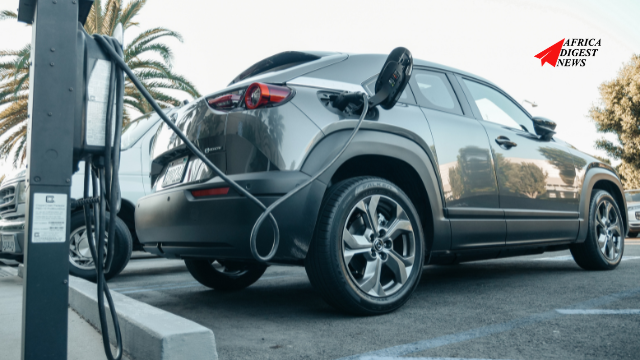
The timing, as they say, is everything. Just as Kenya reeled from a crippling two-day public transport strike, a direct consequence of soaring fuel prices, President William Ruto unveiled a new directive: 3,000 electric vehicles (EVs) for the Ministry of Interior and National Administration. The official line? To shield security apparatus from the very “fuel problems” that brought the nation’s transport to a grinding halt.
On May 22nd, President Ruto declared these EVs would ensure uninterrupted service delivery for National Government Administration Officers (NGAO). The logic is simple: no petrol, no problem. This comes after reports in April 2026 that the Treasury had already swapped a planned purchase of 2,500 petrol guzzlers for 3,000 locally assembled electric cars, all in a bid to slash the national fuel import bill. On paper, it’s a masterstroke of fiscal prudence and green ambition.
Yet, the reality on the ground paints a starker picture. The EV announcement landed squarely in the aftermath of a nationwide PSV strike (May 18th-19th) that left commuters stranded and transport operators fuming over unsustainable costs.
It was a visceral reminder of how deeply fuel prices bite the average Kenyan. And then, the plot thickens: the Energy and Petroleum Regulatory Authority (EPRA) is reportedly backing electricity tariff adjustments for Kenya Power and Lighting Company (KPLC). Translation? The very power needed to charge these shiny new EVs, and indeed, the power for every Kenyan home and business, is set to become even more expensive.
This creates a glaring contradiction at the heart of Kenya’s electric mobility dream. The government champions EVs as the antidote to fuel dependency, yet the cost of the alternative – electricity – is already among the highest in the region.
For many, the promised transition from petrol to electric risks becoming a mere swap of one unaffordable energy source for another. It’s a classic case of solving one problem by inadvertently creating another, perhaps even larger, one.
Read Also: Rwanda Attracts Major 200MW Solar Investment as Sunrise Resorts Expands Into Energy Sector
While the long-term benefits of an EV transition are undeniable – reduced emissions, energy independence, and a boost to local manufacturing – the immediate optics are challenging. At a time when citizens are battling rising transport fares, exorbitant electricity bills, and a general cost-of-living crisis, the government’s move can be perceived less as a people-centric mobility revolution and more as an institutional survival strategy. It appears designed to insulate state operations from the very economic pressures that are crushing the public.
Kenya’s potential to lead in electric mobility, leveraging its renewable energy capacity and a burgeoning local assembly ecosystem, is immense. But this potential hinges on accessibility. If the cost of powering an EV remains out of reach for the majority, then this green future risks becoming an exclusive club.
By Thuita Gatero, Managing Editor, Africa Digest News. He specializes in conversations around AI and energy.


