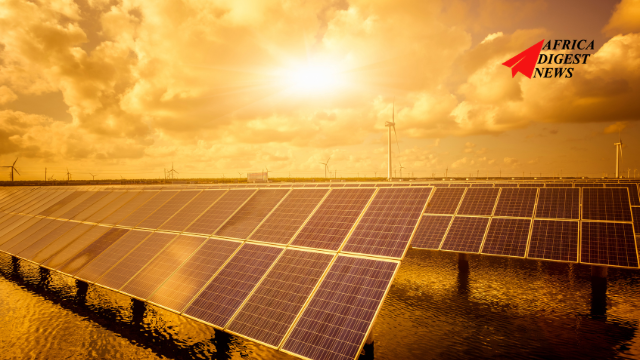
Zambia is not building solar plants because it wants to be green. It is building them because it has no choice. For decades, the country relied on the rains to fill its dams and power its homes. But the rains have failed. The 2024 drought was a brutal reminder that hydropower is no longer a safe bet. This is an energy transition driven by survival, not ambition.
The commissioning of the Itimpi II solar facility is a landmark moment. It is now the largest operational solar plant in the country. But more importantly, it represents a break from the past. Zambia can no longer afford to be 85% dependent on a single source of power that is at the mercy of the weather. This is climate adaptation in its most practical form.
| Project | Capacity | Significance |
| Itimpi Phase I | 94 MWp | Initial diversification step |
| Itimpi Phase II | 136 MW | Largest solar facility in Zambia |
| Total Itimpi Complex | 230 MWp | Major shift from hydro |
| Zambia 2030 Goal | 10 GW | National resilience target |
This shift is changing the role of solar in the national grid. It is no longer a niche experiment. With the addition of battery storage, solar is becoming a reliable backbone for the economy. It provides the stability that hydro can no longer guarantee. This is a strategic move to protect the country from the next climate shock.
Financing this change is the next hurdle. Zambia is looking to private capital and green bonds to fund its resilience. It is a sign that the market recognizes the risk of doing nothing. Investors are putting their money into projects that can withstand a changing climate. This is the new reality of infrastructure finance in Africa.
Zambia’s story is a warning to the rest of the continent. Many African nations are over-reliant on hydropower. They are one dry season away from a total blackout. The lesson from Kitwe is clear: diversify or die. We must build energy systems that are as resilient as the people they serve.
This is not just about electricity. It is about national security. A country that cannot power itself is a country that cannot defend its future. Zambia is showing us that the path to resilience is paved with solar panels and batteries. It is a hard path, but it is the only one left.
By Thuita Gatero, Managing Editor, Africa Digest News. He specializes in conversations around AI and energy.