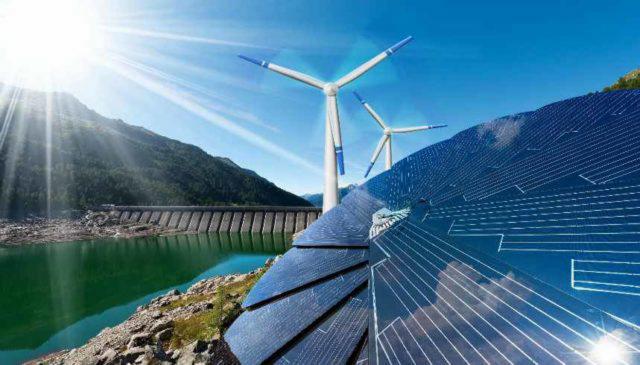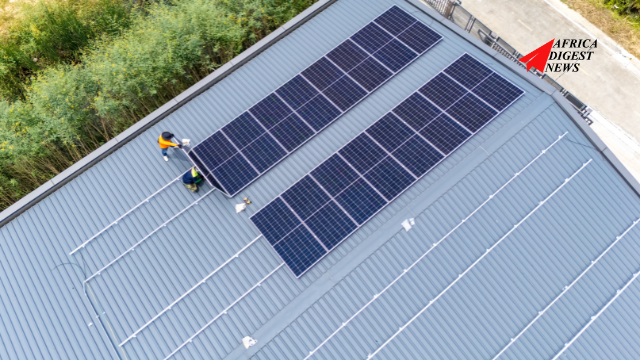
Africa is witnessing a rapid transformation in its energy landscape, as households and businesses increasingly abandon diesel generators in favor of solar power. Industry experts say this shift is reshaping the continent’s energy sector, unlocking economic opportunities, and reducing reliance on costly and polluting fuels.
Dr. Femi Oye, CEO of SMEFUNDS, has called for accelerated solar adoption, highlighting Africa’s growing market for renewable solutions. His remarks follow recent reports indicating that countries such as Nigeria, Kenya, and Ghana are seeing a surge in solar installations, particularly among small businesses and manufacturers seeking reliable power amid frequent grid disruptions.
According to John Van Zuylen, structural policy reforms across several African nations are helping unlock opportunities for solar investment. While global solar installations grew by 23% in 2025, Africa bucked slower global trends, recording the fastest growth worldwide, with 17% expansion in installed capacity. By 2025, 25 African countries imported at least 100 MW of solar capacity, while 20 countries reached record annual imports. Nigeria, in particular, overtook Egypt as Africa’s second-largest solar equipment importer.
This growth is driven by persistent electricity shortages and the high cost of diesel. Businesses, previously reliant on diesel generators, are switching to solar systems paired with battery storage, which offer stable, round-the-clock power. The decline in battery storage costs—from approximately $144 per kilowatt-hour in 2023 to $112 per kilowatt-hour in 2025—has made solar solutions more accessible and economically viable.
The economics of renewable energy are rapidly changing. Oye explains, “Solar energy is no longer a niche solution; it is becoming the most practical and affordable option for businesses and households.” The removal of diesel subsidies in countries like Nigeria has further accelerated this shift, forcing companies to seek reliable and cost-effective alternatives.
Beyond energy access, solar adoption is creating local economic opportunities. Africa is beginning to develop domestic manufacturing capacity for renewable technologies. Nigeria, for instance, announced plans for a 1-gigawatt solar panel manufacturing facility—the largest in West Africa. Similar initiatives are underway in Egypt, South Africa, and Ethiopia, aiming to reduce dependence on imports and strengthen supply chains.
This domestic focus is expected to generate thousands of jobs in installation, maintenance, financing, and distribution. It also aligns with broader sustainability goals, enabling industries to lower operational costs, reduce carbon emissions, and meet global standards.
Solar adoption is particularly important for manufacturing and SME sectors, which rely on predictable power to remain competitive. As diesel costs rise, solar solutions offer a stable alternative, enhancing productivity and fostering resilience. “The integration of solar energy and battery storage can fundamentally improve industrial competitiveness,” Oye notes, citing Germany’s renewable integration as an example of successful industrial alignment.
Read Also: Why Africa’s Renewable Energy Projects Struggle to Get Off the Ground
Across Africa, at least 23 countries now generate more than 5% of their electricity from solar, highlighting a growing continental shift. From urban rooftops to rural mini-grids, the deployment of clean energy is diversifying energy sources, strengthening grid stability, and expanding economic opportunities.
Industry observers stress that this shift is not only environmentally necessary but also economically strategic. By reducing reliance on diesel, fostering local manufacturing, and deploying scalable solar solutions, Africa is positioning itself to leapfrog traditional energy infrastructure and embrace a more resilient and self-sufficient energy future.
As adoption accelerates, the continent is set to reshape its energy mix, reduce carbon emissions, and build sustainable, job-rich economies around clean electricity.
By Thuita Gatero, Managing Editor, Africa Digest News. He specializes in conversations around data centers, AI, cloud infrastructure, and energy.