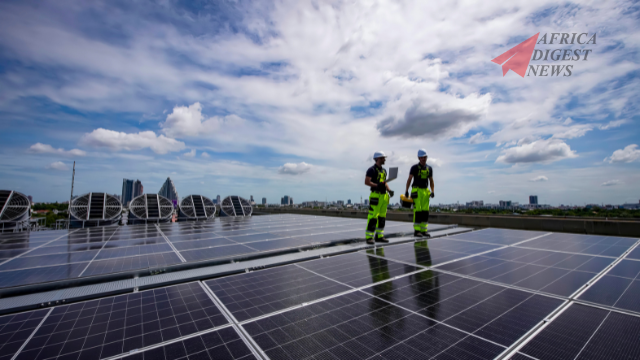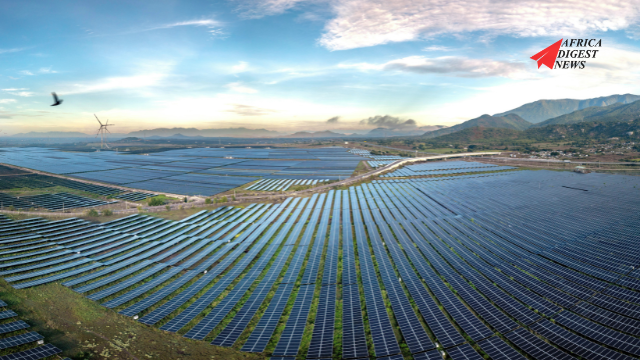
The solar revolution in Africa has entered its second, more lucrative phase: the Battery Energy Storage System (BESS) boom. In 2026, the conversation has shifted from “how many panels can we fit on the roof” to “how many hours of autonomy can we guarantee.”
This shift is creating a massive opening for those who understand that the real value in the energy transition is not in generation, but in storage.
The Storage Imperative
The driver for this boom is simple: the African grid is no longer a reliable partner. Whether it is the persistent load shedding in South Africa or the frequent outages in Nigeria, the grid has become a backup to the solar-plus-storage system, rather than the other way around.
| Application | 2024 Market Share | 2026 Market Share | Growth Driver |
| Residential (Backup) | 60% | 35% | Market saturation; shift to C&I. |
| C&I (Peak Shaving) | 25% | 45% | High demand charges; grid instability. |
| Utility (Grid Scale) | 10% | 15% | Frequency regulation; Independent Power Producer (IPP) mandates. |
| Off-grid (Mining/Agri) | 5% | 5% | Remote industrial expansion. |
The highlights that it now costs just $33/MWh to convert daytime solar into fully dispatchable power. This makes 24-hour solar electricity available at around $76/MWh, a price point that is causing a stampede of investment into the Commercial and Industrial (C&I) sector.
Opportunities for Investors
The BESS market offers infrastructure-like returns with tech-like growth. Investment in energy storage is expected to accelerate through 2026.
1.Energy-as-a-Service (EaaS) : Investors are no longer just selling hardware; they are selling “uptime.” By financing the battery component of a solar project, investors can capture long-term, inflation-linked revenue streams from credit-worthy industrial clients.
2.Grid Stabilization: In more mature markets like South Africa and Egypt, there is a growing opportunity for “front-of-the-meter” storage. These systems provide frequency regulation and voltage support to the national grid, earning fees from the utility.
3.Local Assembly: As import duties on finished battery packs rise, the opportunity for local assembly plants in regional hubs is significant. This reduces logistics costs and currency exposure.
Read Also: How much milk is lost in off-grid dairy farming due to a lack of cooling?
Opportunities for Installers
For installers, the BESS boom requires a pivot from “rooftop solar” to “energy management.”
• The Software Edge: The value in 2026 is in the brain of the system. Installers who can program complex Energy Management Systems (EMS) to optimize for peak shaving, time-of-use tariffs, and battery health are commanding 20-30% higher margins.
•Retrofitting: Thousands of solar-only systems installed five years ago are now being retrofitted with storage. This is a massive, low-acquisition-cost market for established installers.
•Specialized Maintenance: Batteries require sophisticated monitoring. Offering “Battery-as-a-Service” maintenance contracts provides the recurring revenue that the traditional installation model lacks.
The battery storage boom is the final piece of the African energy puzzle. It removes the intermittency argument that has long been used to protect fossil fuel interests.
In 2026, the most successful players are those who treat the battery not as an accessory, but as the heart of the system. The opportunities are bold, the stakes are high, and the technology is ready. The only question is who will move fast enough to own the storage layer of the continent’s new grid.
The integration of Artificial Intelligence (AI) in battery management is beginning to unlock even greater efficiencies. Smart systems can now predict weather patterns and grid outages, adjusting charging cycles in real-time to ensure maximum uptime at the lowest possible cost.
For the installer, this means moving from being a “wire-puller” to a “data-manager.”
For the investor, it means a more secure and predictable return on investment. The battery boom is not just about chemistry; it is about intelligence.
As Africa continues to lead the world in decentralized energy growth, the storage layer will be the foundation upon which the continent’s industrial future is built. The boom is here, and it is just getting started.
By Thuita Gatero, Managing Editor, Africa Digest News. He specializes in conversations around data centers, AI, cloud infrastructure, and energy.