In the African solar market of 2026, price is a moving target influenced by global manufacturing gluts, local currency volatility, and shifting logistics. Understanding the “why” behind the price is as important as the “how much.”
The Hardware Deflation
The most significant trend in 2026 is the continued price collapse of Lithium Iron Phosphate (LFP) batteries. Cell-level costs have stabilized around $112/kWh, but the fully integrated system price in Africa remains higher due to “last-mile” costs.
|
Component |
2025 Avg Price (USD) | 2026 Current (USD) | Trend |
| PV Panels (per Watt) | $0.18 | $0.14 | Decreasing |
| LFP Battery (per kWh) | $550 | $450 | Rapidly Decreasing |
| Hybrid Inverter (5kW) | $1,200 | $1,050 | Stabilizing |
| Installation Labor | $0.10/W | $0.12/W | Increasing |
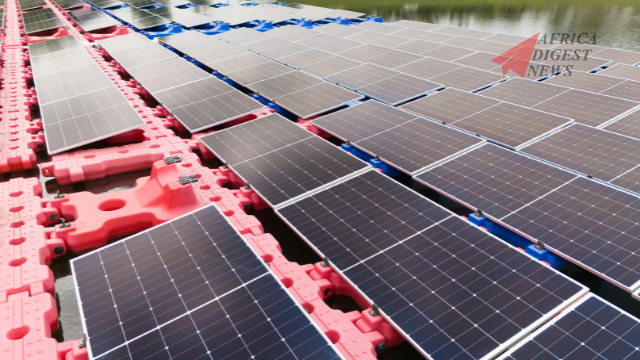
PV Panels: In Nigeria, a standard 420W panel now retails for approximately $60, or $0.14 per watt. This is a direct result of Chinese overcapacity. However, this floor price is often deceptive.
High-efficiency N-type modules, which perform better in the African heat, still command a 15-20% premium. Buying on price alone in 2026 is a strategic error; the yield difference over five years far outweighs the initial savings.
The Battery Paradox
While battery prices are falling globally, the landed cost in Africa is subject to “logistics friction.” Shipping, clearing, and inland transport can add 30-40% to the factory price.
In 2026, we are seeing a shift toward local assembly in hubs like South Africa and Morocco, which is beginning to decouple local prices from global shipping rates.
The hidden price variable is the inverter. As systems become more complex integrating solar, grid, battery, and EV charging, the inverter has become the most expensive single point of failure.
Prices for high-quality hybrid inverters have stabilized, but the market is being flooded with budget brands. The price gap between a Tier 1 inverter and a generic alternative is currently about 30%, but the replacement cost of a failed unit makes the saving irrelevant.
The residential solar PV inverter market is expected to grow to $7.34 billion by 2030.
Regional Price Variance
Prices are not uniform across the continent. A system in Nairobi will cost 15% less than the same system in Lubumbashi, purely due to logistics.
1.Import Duties: Some nations, like Kenya, have maintained VAT exemptions for solar components, while others have introduced local content taxes to protect nascent domestic industries.
2.Currency Risk: In markets like Nigeria and Egypt, the hardware price in USD may be stable, but the local currency cost can swing 10% in a single month. This has led to the rise of “USD-indexed” pricing for all major C&I contracts.
The era of cheap solar has arrived, but it has brought a new set of risks. The 2026 market rewards those who look past the hardware price and analyze the Total Cost of Ownership (TCO).
Read Also: Why Africa’s Rooftops Are Driving a 18.2 GW Import Surge
With solar-plus-storage now delivering power at $76/MWh, the focus should not be on saving $5 on a panel, but on ensuring the system operates at peak efficiency for 25 years. The price of the hardware is falling, but the value of the energy it produces is higher than ever.
Additionally, the emergence of “second-life” battery markets is starting to provide a lower-cost entry point for less critical applications. While a primary data center will always require brand-new LFP cells, a small-scale agricultural irrigation system might find significant value in repurposed EV batteries that still retain 80% of their capacity.
This circular economy approach is not just an environmental win; it is a pragmatic solution to the affordability gap in rural Africa. As we move through 2026, the ability to match the right grade of hardware to the specific reliability needs of the project will be the hallmark of a sophisticated buyer. The market is no longer about finding the lowest price, but about engineering the highest value.
By Thuita Gatero, Managing Editor, Africa Digest News. He specializes in conversations around data centers, AI, cloud infrastructure, and energy.


