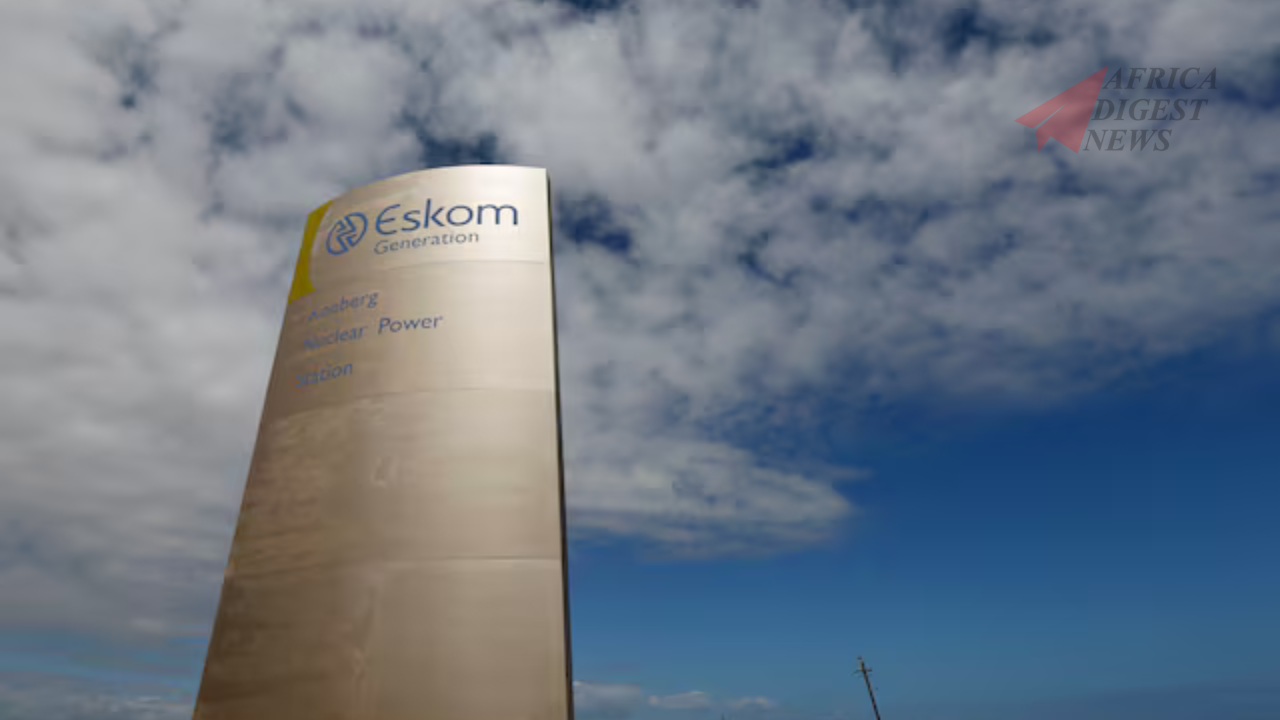
Eskom says South Africa’s power system has entered 2026 in a stronger position, with sustained operational improvements reflected in extended periods without load shedding, higher plant availability, and lower unplanned outages.
According to the utility, more than 245 days have passed without the implementation of load shedding, as the Generation Recovery Plan continues to deliver measurable gains. Eskom said the system remained stable through the start of the year, supporting economic activity as the country returned from the holiday period.
Read Also: 5 Training Programs for Wind Turbine Technicians in South Africa in 2026
Compared with the same period last year, Eskom reports an additional 4,400 megawatts of generation capacity now available. The utility described the current system as structurally stronger than it was five years ago, attributing the improvement to changes in how the generation fleet is operated and maintained.
Key performance indicators show a steady upward trend. The year-to-date Energy Availability Factor (EAF) has risen to 64.66%, with the fleet reaching or exceeding 70% EAF on more than 50 occasions. Eskom said this reflects not only short-term recovery but more consistent performance across the fleet.
Unplanned outages have declined sharply. Between 9 and 15 January 2026, average unplanned outages fell to 8,252 MW, down from 14,783 MW during the same period last year. This represents a reduction of 6,531 MW. Over the same period, the Unplanned Capacity Loss Factor dropped to 17.19%, compared with 30.93% a year earlier.
Planned maintenance levels have increased as part of Eskom’s longer-term strategy to stabilise the fleet. Average planned maintenance has risen to 13.89%, up from 11.51% in the previous financial year. Eskom said the higher maintenance levels align with its schedule and are intended to improve plant reliability and reduce the risk of future breakdowns.
The utility noted that this approach builds on an intensive maintenance programme implemented over the past year, which exceeded historical norms and focused on restoring reliability at key power stations. Eskom said the benefits of this strategy are already visible in the continued reduction of unplanned outages.
Operational improvements have also translated into lower fuel costs. Eskom reported that no diesel was used for a fourth consecutive week, resulting in zero diesel expenditure over that period. Total diesel spending is now R3.42 billion lower than at the same point last year.
Eskom said the decline in diesel usage reflects both cost savings and improved system performance, reducing reliance on emergency generation. While the utility cautioned that system conditions can change, it said the current indicators point to growing stability and improved efficiency across the national power system.
By Thuita Gatero, Managing Editor, Africa Digest News. He specializes in conversations around data centers, AI, cloud infrastructure, and energy.