Zambia has unveiled an ambitious nationwide program designed to close its long-standing energy access gap and accelerate the shift toward clean power, marking one of the country’s largest coordinated electrification efforts to date.
The Accelerating Sustainable and Clean Energy Access Transformation (ASCENT) Zambia program valued at US$1.6 billion aims to connect more than 1.6 million people to electricity and expand clean cooking access for 300,000 people over the next five years.
Launched in Lusaka on December 3, 2025, the program places strong emphasis on reaching vulnerable and underserved populations, including low-income households, women, and communities in regions where grid expansion has historically lagged.
Beyond electrification, ASCENT is framed as a development multiplier, designed to create jobs, strengthen local supply chains, and reduce reliance on biomass-based cooking—one of the country’s most persistent environmental challenges.
ASCENT’s financing package blends concessional lending, government funding, and private capital. The International Development Association (IDA) has committed US$200 million, while the Zambian government will inject US$250 million.
The remaining capital is expected to come from development partners and private investors through 2030, reflecting Zambia’s shift toward blended finance to support national infrastructure priorities.
The initiative aligns with the country’s long-term energy strategy and contributes directly to Mission 300, a continental campaign led by the World Bank Group, the African Development Bank, and regional partners—to achieve modern energy access for 300 million Africans by 2030.
For Zambia, where national electricity access stands at 51% (and rural access remains significantly lower), ASCENT serves as the primary vehicle for achieving universal access within the next decade.
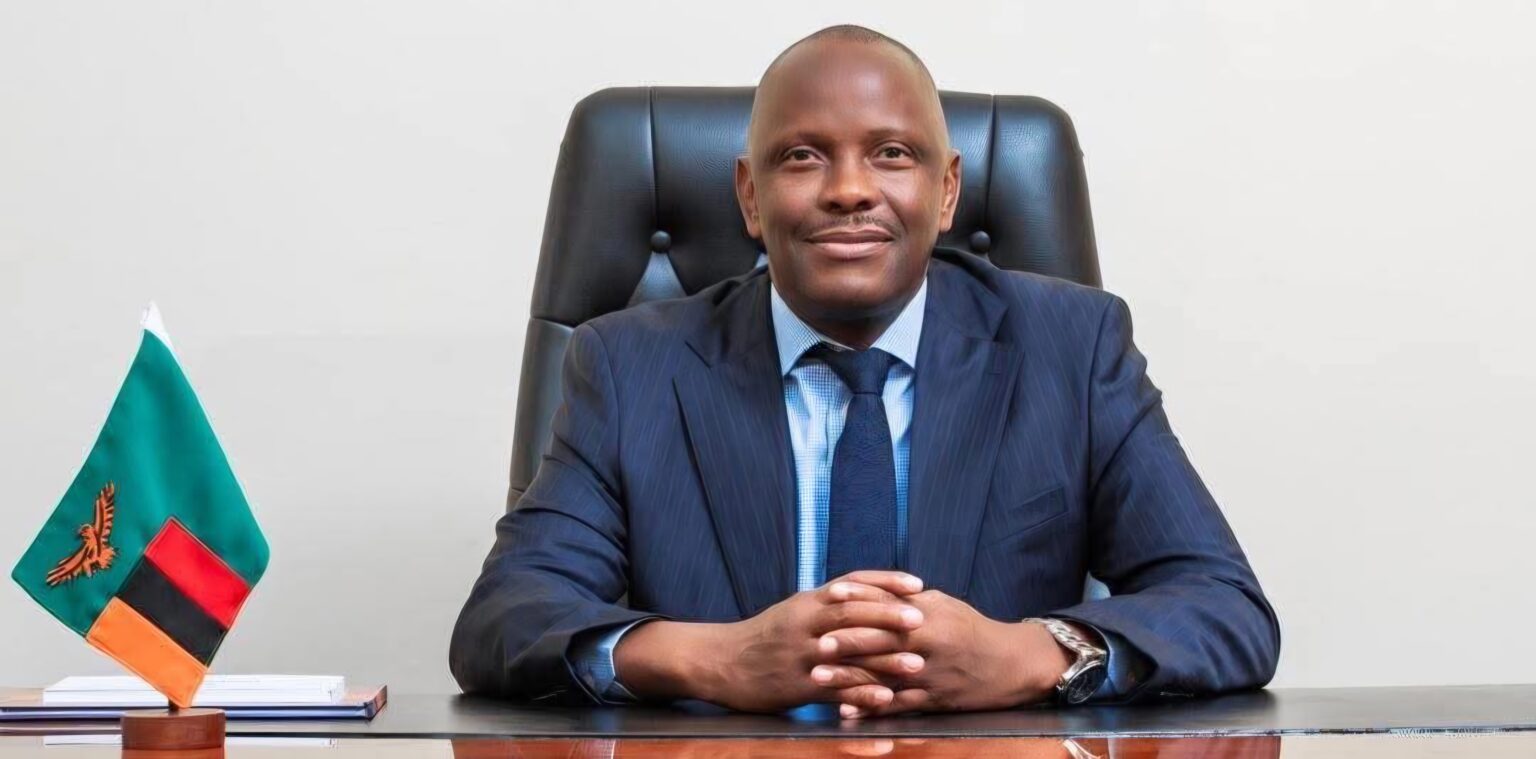
Speaking at the launch, Minister of Energy Makozo Chikote emphasized that expanding electricity access requires more than grid construction; it demands deep structural reform and stronger participation from independent power producers (IPPs), mini-grid developers, and off-grid solution providers.
“Achieving universal access requires more than government effort alone,” Chikote said. “Bold reforms, private sector participation, and strong collaboration with cooperating partners are essential for delivering reliable energy to every Zambian.”
Read Also: Solar Suppliers in Kenya You Can Trust
The government has signaled readiness to streamline regulatory processes, accelerate mini-grid licensing, and introduce cost-reflective frameworks that can attract long-term investors without compromising affordability for vulnerable groups.
World Bank Country Manager Achim Fock described ASCENT as a “major turning point” for Zambia’s rural and peri-urban electrification efforts. He noted that while the country has made progress in expanding generation capacity, particularly through hydropower, distribution networks and rural connections have not kept pace.
“The ASCENT program is a decisive step toward universal, affordable, reliable, and clean energy,” Fock said. “It will unlock economic opportunities in communities that have waited decades for modern power.”
Beyond household electrification, ASCENT is expected to support the rollout of clean cooking solutions, ranging from LPG adoption to electric pressure cooking, reducing deforestation and improving health outcomes linked to indoor air pollution.
The program’s implementation will run in phases through 2030, with priority given to high-impact rural districts, productive-use initiatives for farmers and SMEs, and new distribution infrastructure that can withstand climate-related risks.
If successful, ASCENT could serve as a model for countries grappling with the dual challenge of low access rates and rising energy demand. For Zambia, it marks a renewed push toward a cleaner, more inclusive energy future.