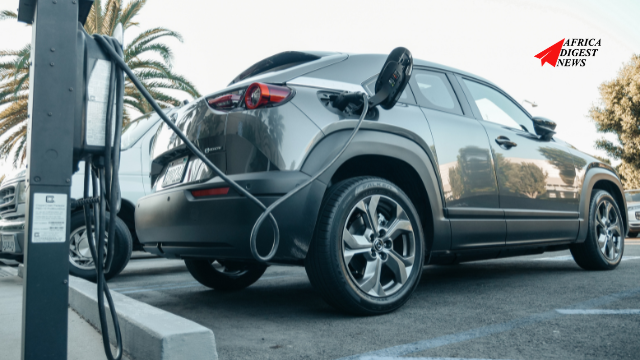
Ethiopia is positioning itself as a leader in Africa’s electric vehicle (EV) revolution with ambitious policies, expanding charging infrastructure, and growing local assembly capabilities.
The government aims to replace 95% of fuel-powered vehicles within a decade, marking a major step toward sustainability and energy independence.
A key initiative was the January 2024 ban on non-electric vehicle imports to fast-track the transition to green mobility.
To support this shift, the government offers duty-free import of EV parts, a 5% tax on partially assembled EVs, and a 15% tax on fully assembled EV imports.
These measures aim to boost local production and adoption of EVs.
Ethiopia’s EV market already includes over 100,000 electric vehicles, with a target of 500,000 within ten years.
With more than 90% of its electricity generated from hydropower, the country is well-positioned to power EVs with clean energy.
Investment in charging infrastructure is also a priority. The Ethiopian Petroleum and Energy Authority plans to install charging stations every 50 to 120 kilometers nationwide.
HAVE YOU READ?